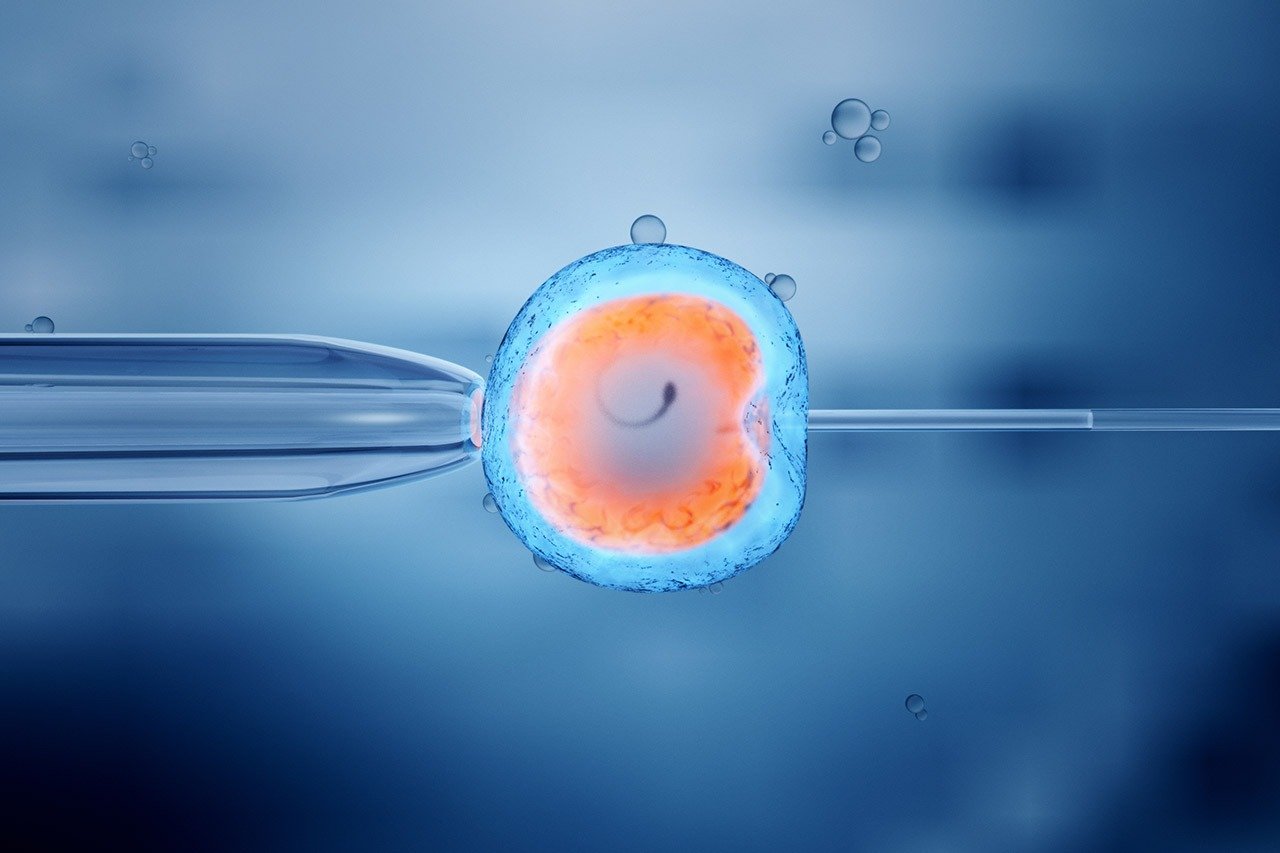
🧬 Embryo vs Blastocyst – Simple Comparison
| Feature | Embryo (Early Stage) | Blastocyst (Advanced Stage) |
| Definition | Fertilized egg that has started dividing | More developed embryo with specialized cells |
| Day of Development | Day 2–3 after fertilization | Day 5–6 after fertilization |
| Cell Count | 4–8 cells | 100+ cells |
| Development Stage | Early growth stage | Advanced growth stage |
| IVF Transfer Timing | Transferred on Day 2 or Day 3 | Transferred on Day 5 or Day 6 |
| Implantation Potential | Moderate | Higher |
| Selection Accuracy | Limited ability to assess quality | Better selection of healthiest embryo |
| Risk | Higher chance some embryos may not develop further | Fewer embryos reach this stage, but quality is higher |
What Is Better: Embryo or Blastocyst Transfer?
✅ Blastocyst Transfer
- Higher implantation and pregnancy rates
- Mimics natural implantation timing
- Allows better embryo selection
Recommended when:
- Multiple good-quality embryos are available
- Woman is younger or has good egg reserve
✅ Embryo (Day 2–3) Transfer
- Useful when fewer embryos are available
- Reduces risk of having no embryos to transfer
- Suitable in some repeated IVF failure cases
🧠 Important Patient Note
👉 Blastocyst transfer is not always better for everyone.
The decision depends on:
- Number of embryos
- Egg & sperm quality
- Previous IVF history
- Doctor’s expertise & lab quality