Introduction
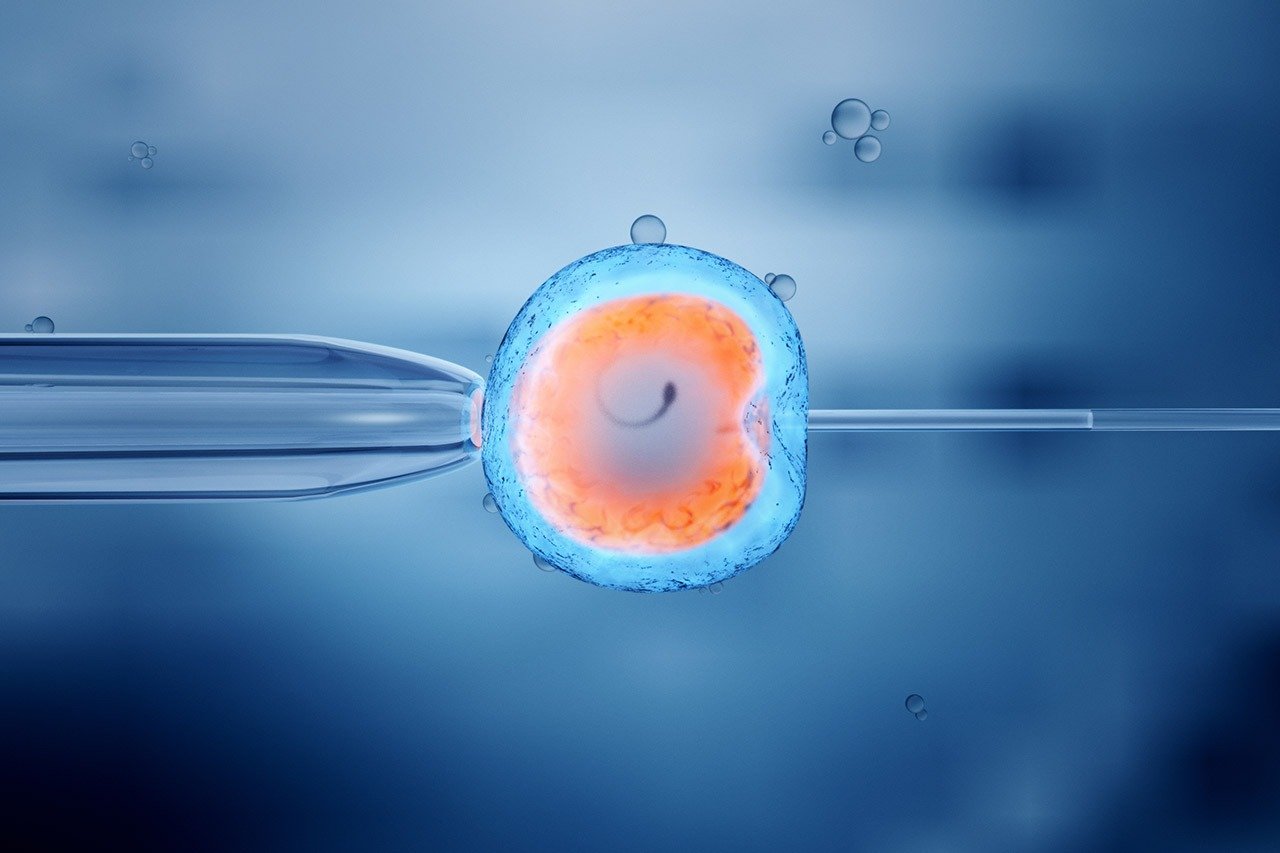
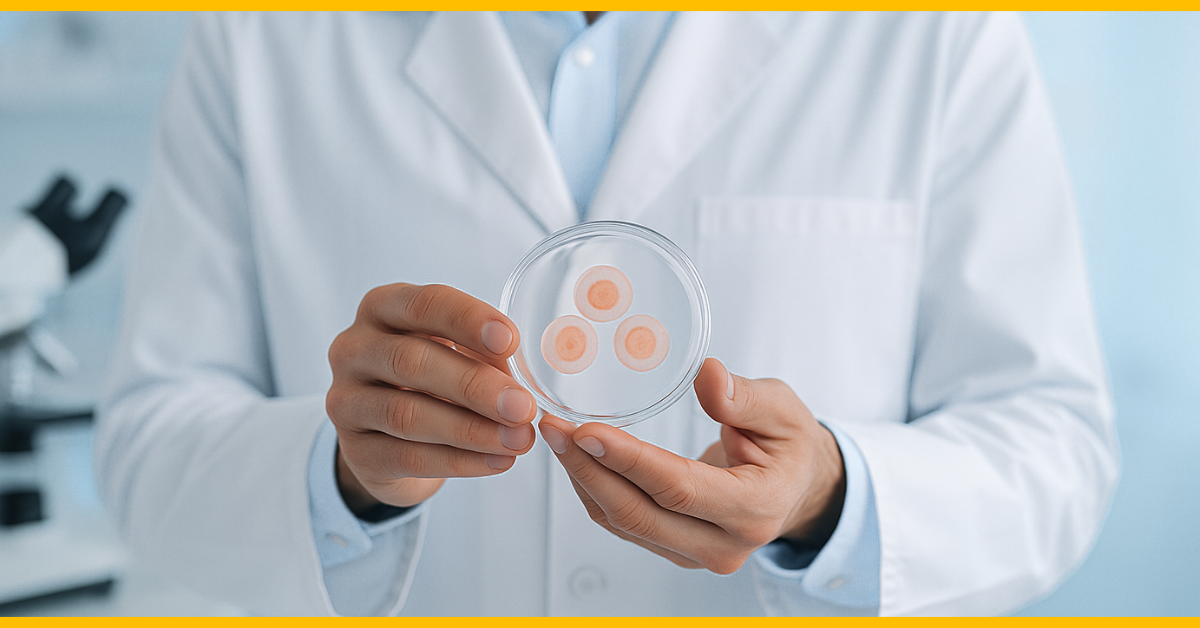
In 2025, In Vitro Fertilization (IVF) continues to be a beacon of hope for couples facing fertility challenges in India. With advancements in medical technology and increased awareness, understanding the success rates of IVF treatments has become crucial for prospective parents.
Understanding IVF Success Rates
IVF success rates are influenced by various factors, including age, health conditions, and the quality of medical facilities. According to recent data:
- Women under 35 have a success rate of approximately 50-60% per cycle.
- For women aged 35-40, the success rate averages 30-40% per cycle.
- Women over 40 see success rates of around 10-20% per cycle, though this is improving with egg donation and advanced fertility treatments.
Factors Influencing Success
- Age: Younger women generally have higher success rates due to better egg quality.
- Clinic Expertise: The experience of the medical team and the technology used play significant roles.
- Lifestyle Factors: Diet, exercise, and avoiding harmful substances can impact outcomes.
Advancements in IVF Technology
The integration of Artificial Intelligence (AI) in embryo selection has shown promise in improving success rates. AI-powered systems like the EMA platform evaluate embryo viability, potentially increasing the accuracy of successful implantation predictions.
Conclusion
Understanding the nuances of IVF success rates helps in setting realistic expectations and making informed decisions. Consulting with experienced fertility specialists and choosing reputable clinics can significantly influence outcomes.